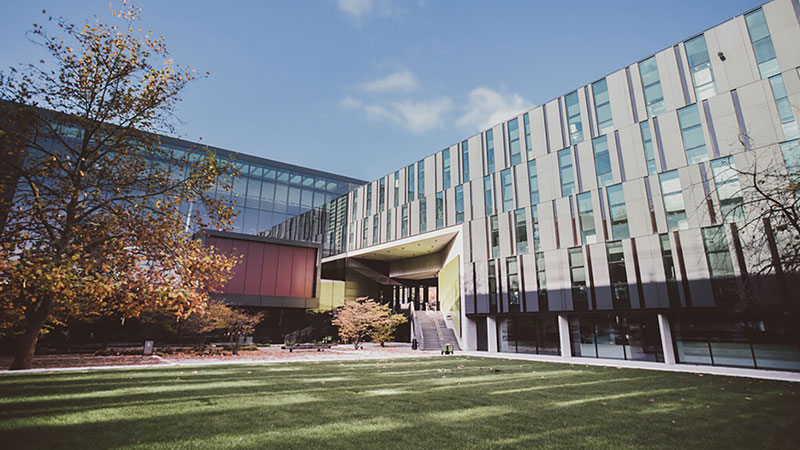
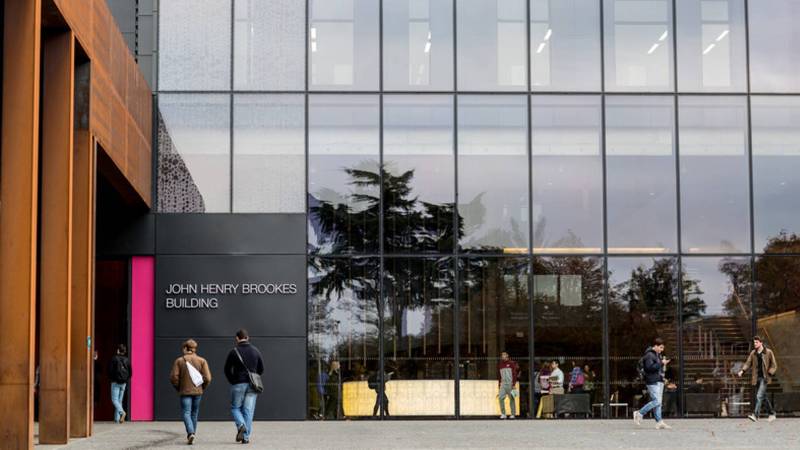
The School of the Built Environment at Oxford Brookes University produces high calibre graduates with the deep and broad range of skills necessary to succeed at the highest levels in the real estate, planning, urban design, and construction industry sectors. We offer highly innovative programmes of study with outstanding teaching, world-class research and strong industry links for long-lasting and rewarding careers.
By addressing the dynamic challenges that face the built environment from an interdisciplinary base, we give our graduates a deep understanding of their chosen field and a broad perspective on the issues involved in planning, designing, constructing, using, maintaining, investing in, and managing high performing built environments and delivering superior value to clients. Our graduates are highly sought after by industry both nationally and internationally - with many securing excellent jobs on graduating.
We also have a dynamic and thriving research programme within a research environment that is internationally recognised for its quality and impact.